Full-stack engineer · Bergisch Gladbach

The whole chain, one developer.

Full-stack, cloud & deployment, AI integration, system integration — for each area a project that runs, and the case study behind it.

Four areas

Build, run, extend, connect.

For each area, one project with a case study.

01 / 04Concept → operations

Full-stack development
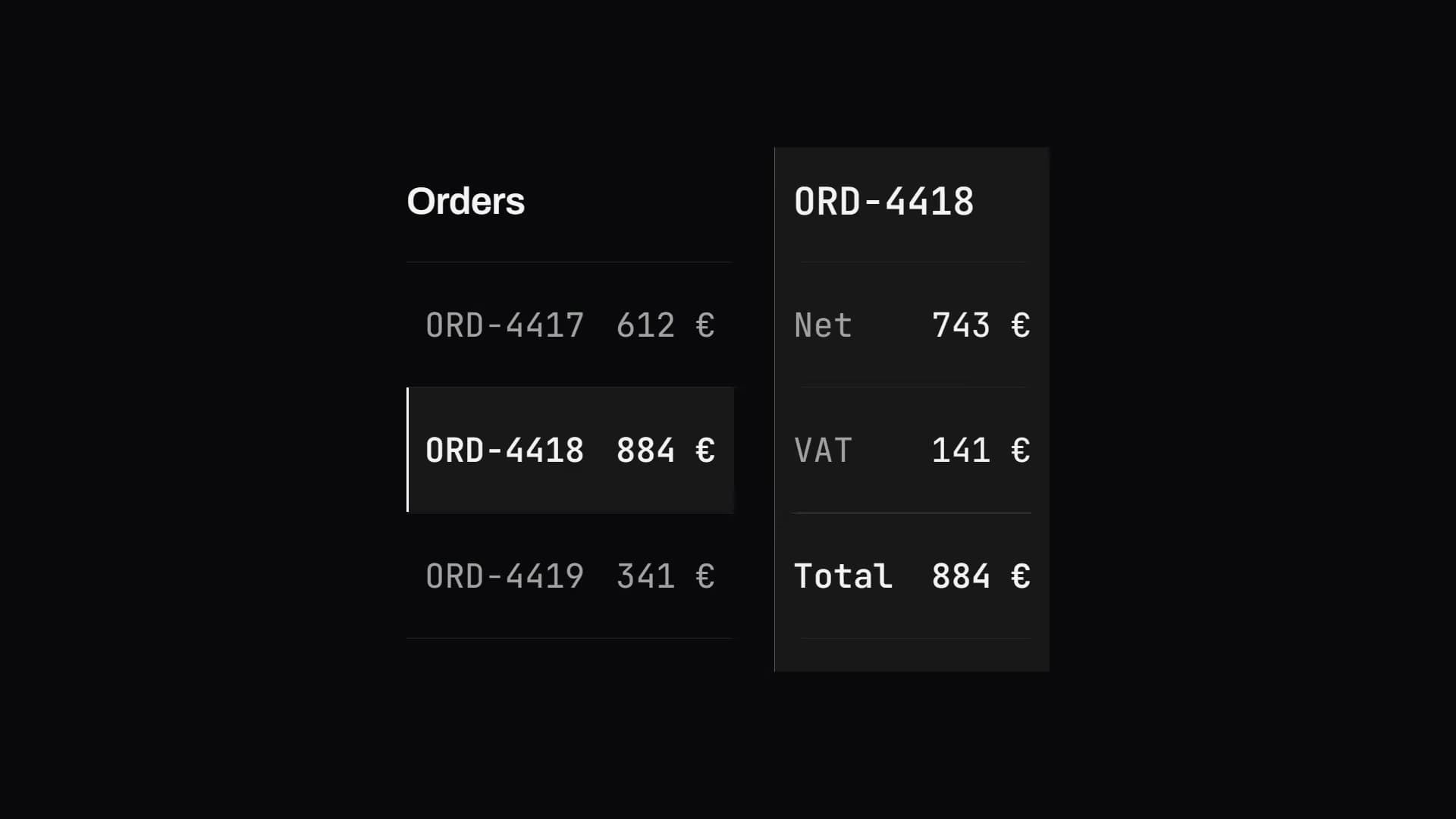
Sketch: portal with list and detail view

React and Next.js frontends with Server Components, backends with TypeScript, Python and PostgreSQL.

  • Customer portals and internal platforms
  • Replacing bought-in SaaS tools with your own build
  • Migrating existing applications to Next.js and SSR/RSC
  • Performance and UX rework of systems that have grown over time

NEXT.JS REACT TYPESCRIPT TAILWIND PRISMA

Reference projectAI profile generator
02 / 04Push → live

Cloud & Deployment

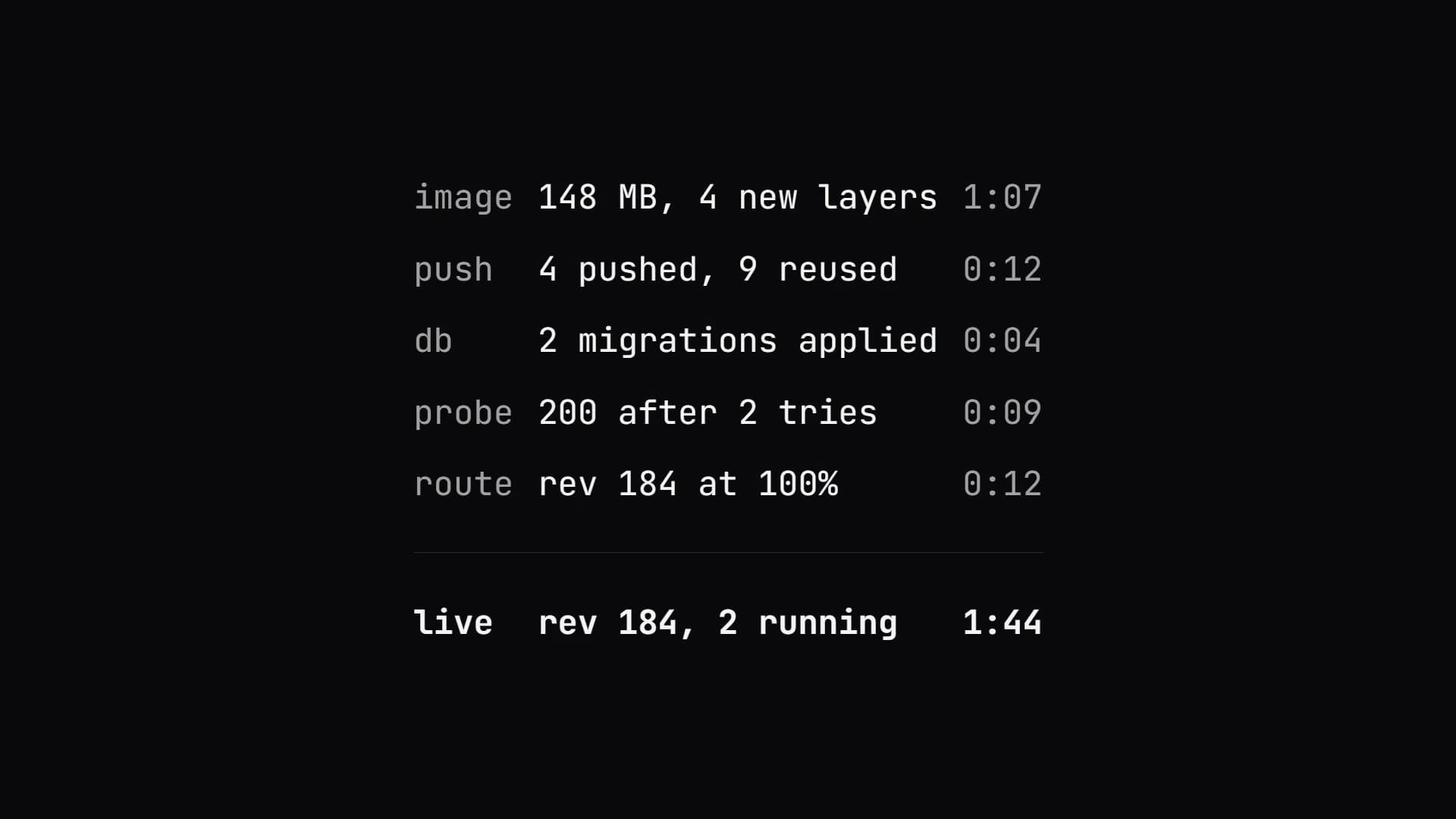
Sketch: deployment log after the push

AWS architecture, deployment via Docker, secrets management. Or your own server, when that is the better math.

  • Setting up deployment pipelines and CI/CD
  • Containerizing existing applications
  • Cutting cost without giving up operational safety
  • Cleaning up access and secrets management

AWS DOCKER SSM NGINX PM2 CI/CD

Reference projectSnipeFlip

03 / 04In production, not a demo

AI integration

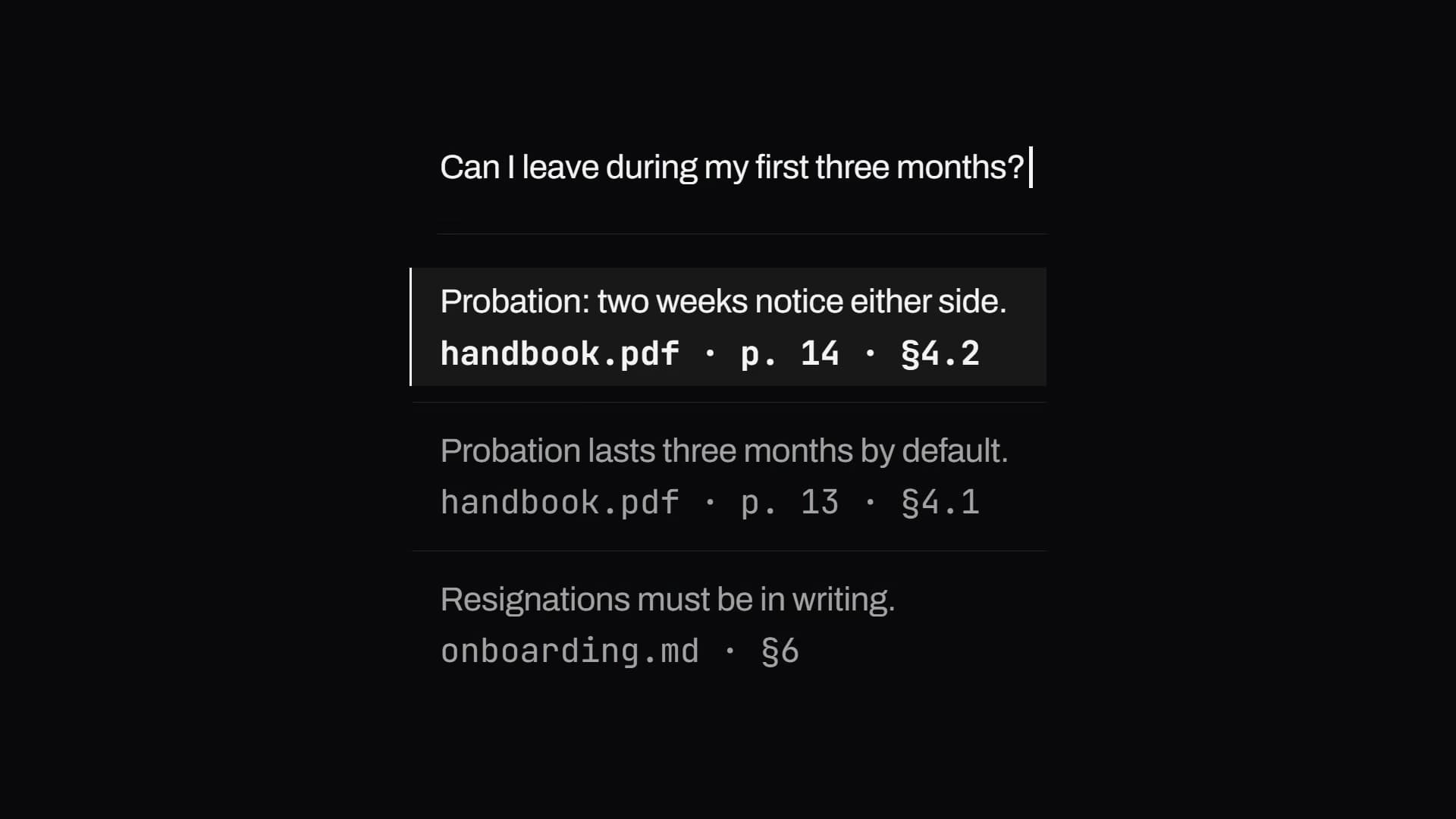
Sketch: an answer with its source

RAG pipelines, embeddings and vector search with pgvector — in production use, not as a demo.

  • Document processing and automated parsing
  • Semantic search across your own data
  • Chat and voice bots connected to existing systems
  • Replacing AI SaaS with an integrated in-house build

CLAUDE GPT GEMINI PGVECTOR TWILIO

Reference projectAI profile generator
04 / 04System ↔ system

System integration

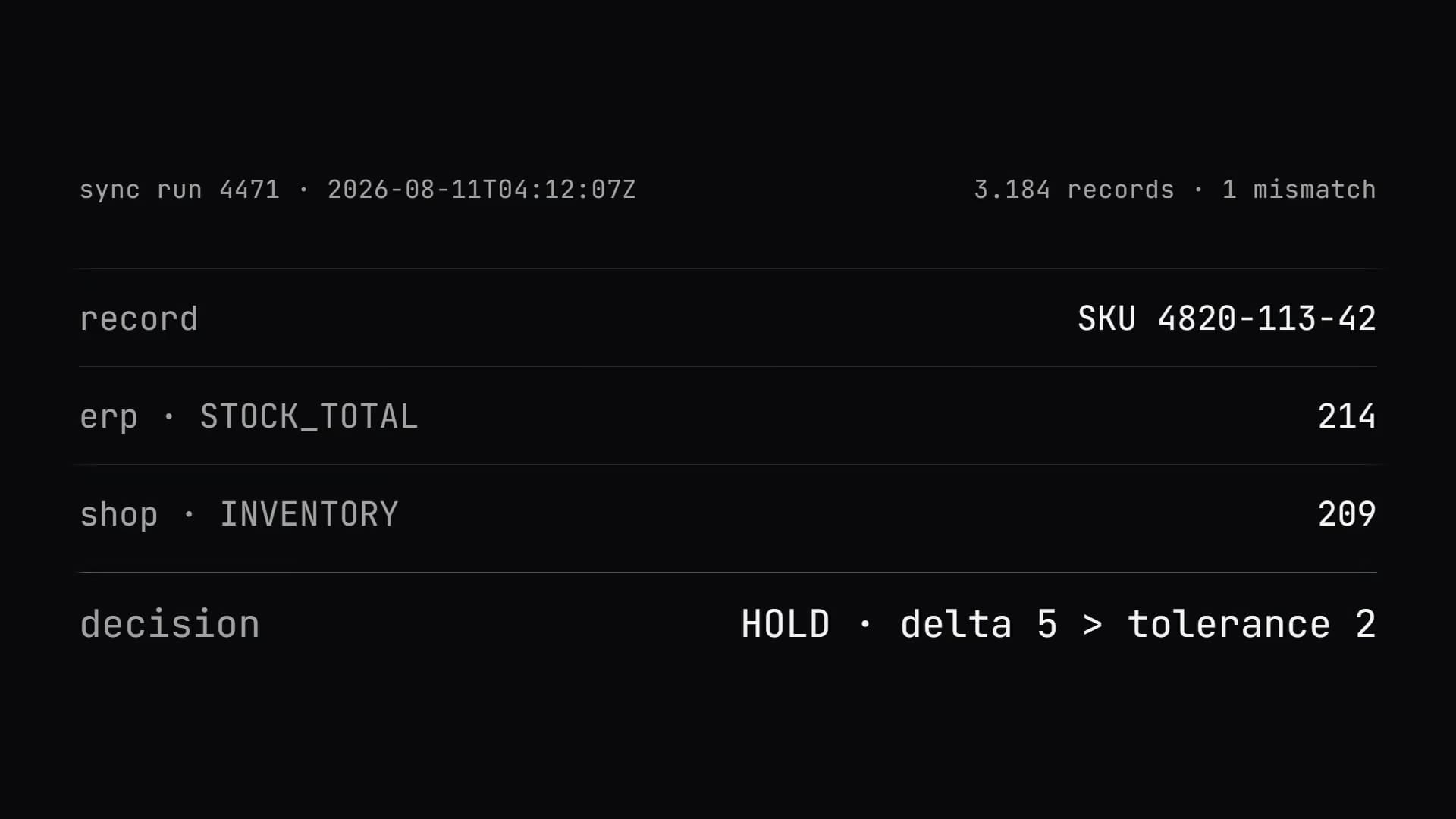
Sketch: log of a discrepancy between ERP and shop

Middleware between systems that do not talk to each other: marketplace connections, stock and order data sync.

  • Connecting ERP to a shop or marketplace
  • Middleware for mismatched data models
  • Automated stock and order synchronization
  • Retiring manual import and export processes

APPAREL MAGIC TB.ONE SHOPIFY JTL MARIADB

Reference projectERP integration

How I work

Five steps, always in this order.

  1. 01

    Inventory and data model

    What exists comes first: systems, data, interfaces. The data model stands before the first line of code.

  2. 02

    A defined scope

    In writing: what gets built and what does not.

  3. 03

    A first running version

    After the first week, a clickable version on a test URL, with real data.

  4. 04

    A weekly rhythm

    Every week a version that can be shown: what is new, what comes next, what was measured.

  5. 05

    Handover

    Code, docs, access, runbook. The test: a team carries on without me.

Focus

One project at a time, not five.

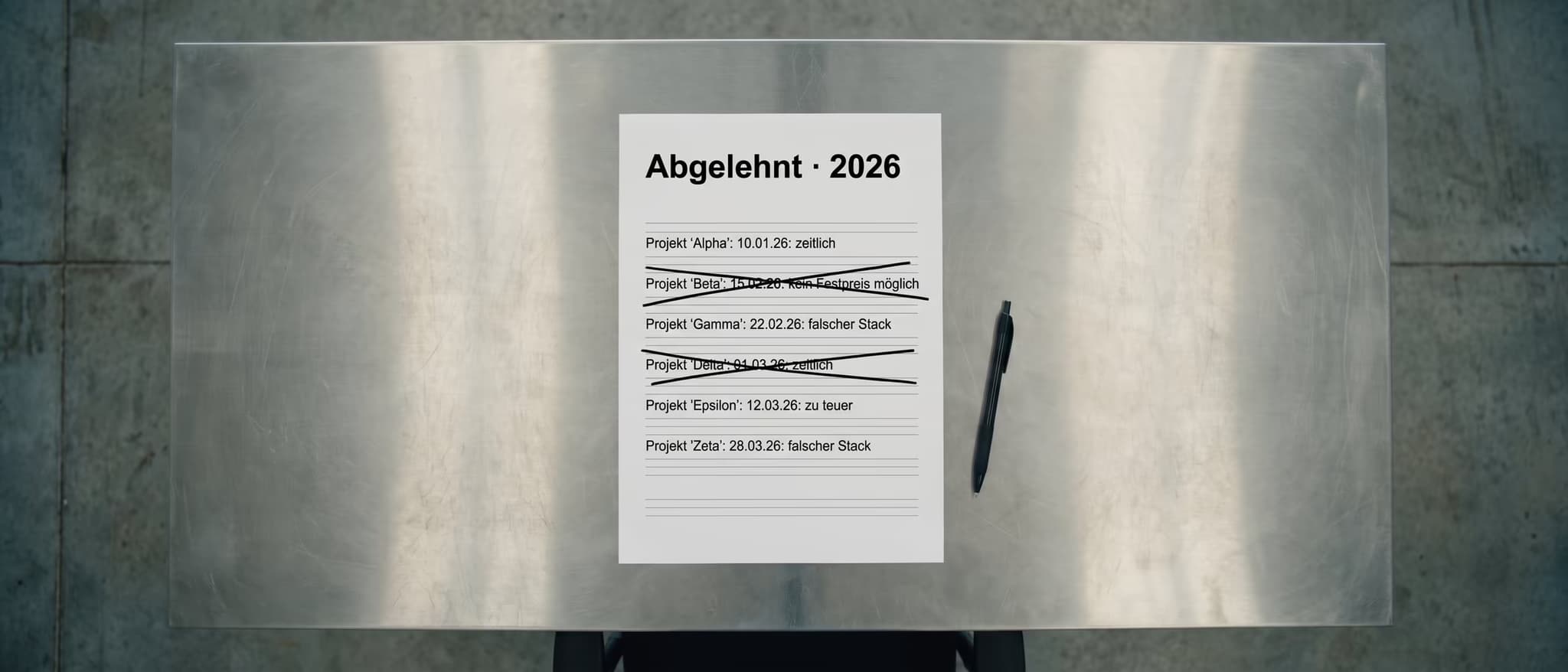
Anything that did not fit, in schedule or in subject, I turned down — with a recommendation for who could do it better.

The 2026 list of declined enquiries on the steel table, two lines struck throughAI-generated
Saying no is part of it21:9

Questions

Why four areas rather than one specialism?
Because the failures happen at the seams: every project here needed at least two of the four.
How can I see that this was actually built?
Each area has a reference project with a case study: the situation, what was built, and the number that was measurable afterwards.
Built alone or in a team?
Both. Which role I had is stated in the case study — from the whole chain in one pair of hands to owning the architecture inside a team.
How much of this is AI and how much conventional software?
The larger part is conventional software. AI turns up where the answer sits in unstructured text — documents, contracts, tickets.

Contact

Half a minute, and you know more.

Half a minute on what I work on and how. If a question is left, write to me — an answer within one working day.